

What is oxytocin?
Oxytocin is a nine-amino-acid peptide hormone made in the hypothalamus and released from the posterior pituitary gland. A disulfide bridge between its two cysteines forms a ring. It acts on the oxytocin receptor and is studied in research on reproduction, lactation and social behaviour. It was the first peptide hormone to be sequenced and synthesised, work for which Vincent du Vigneaud received the 1955 Nobel Prize in Chemistry.
Oxytocin product specifications
- Compound: oxytocin
- Sequence: Cys-Tyr-Ile-Gln-Asn-Cys-Pro-Leu-Gly-NH2 (CYIQNCPLG-NH2, disulfide bridge between Cys1 and Cys6)
- Molecular formula: C43H66N12O12S2
- Molecular weight: about 1007.2 g/mol
- CAS number: 50-56-6
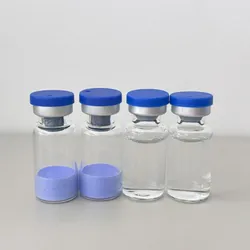
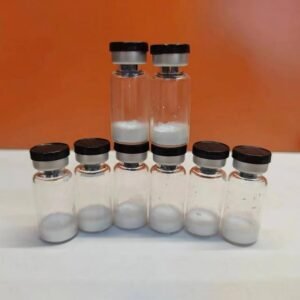
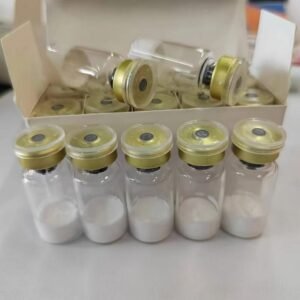
- Vial sizes: 2mg, 5mg and 10mg
Available sizes: 2mg, 5mg and 10mg
All three sizes contain the same compound. The figure is the total amount of peptide in the vial, supplied as a dry powder; it is not a concentration, so a larger vial is not “stronger”, it simply holds more material. The 10mg vial holds five times as much as the 2mg vial. Tell us which size you need when you contact us on Telegram or by email.
Oxytocin vs vasopressin
Oxytocin differs from the related hormone vasopressin at only two positions (3 and 8), but the two act on different receptors.
Regulatory status
Oxytocin is the active ingredient of hospital prescription medicines (for example Pitocin and Syntocinon). This product is research material, not those medicines, and is sold for laboratory research use only.
Handling and research-use notice
Store and handle this material as stated on the label and certificate of analysis for your batch; see our guide to storing research peptides. This product is sold for laboratory research use only. It is not a medicine or supplement and is not for human or veterinary use.



Reviews
There are no reviews yet.